Sustainability
How Boring Basics Selects Materials, Packaging, and End-Of-Life Routes for UK households.

How Boring Basics Selects Materials, Packaging, and End-Of-Life Routes for UK households.
Judge actions, not slogans
We focus on three outcomes.
We sell eco-friendly household essentials across the kitchen, eating, personal care, and phone cases. Each range needs different materials and different end-of-life routes.
We list the main material on every product page. Common materials across the shop include plant-based bioplastics for food storage items, natural fibres and wood for daily basics, organic cotton for reusables, and glass packaging for refill-style products.
PLA + PBAT
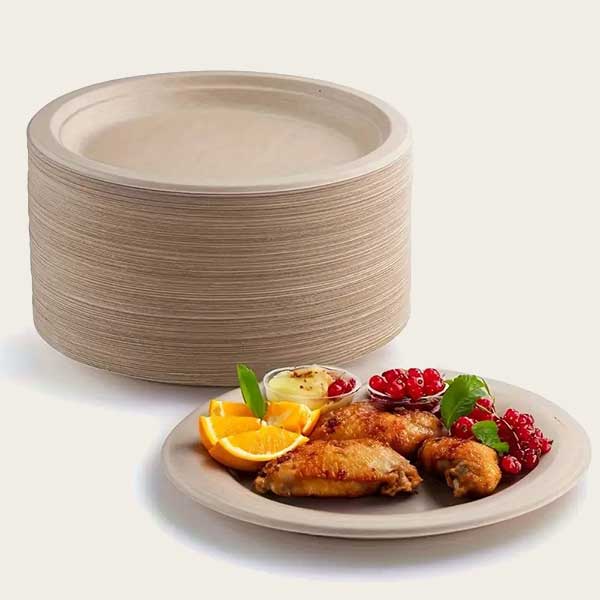
Bagasse
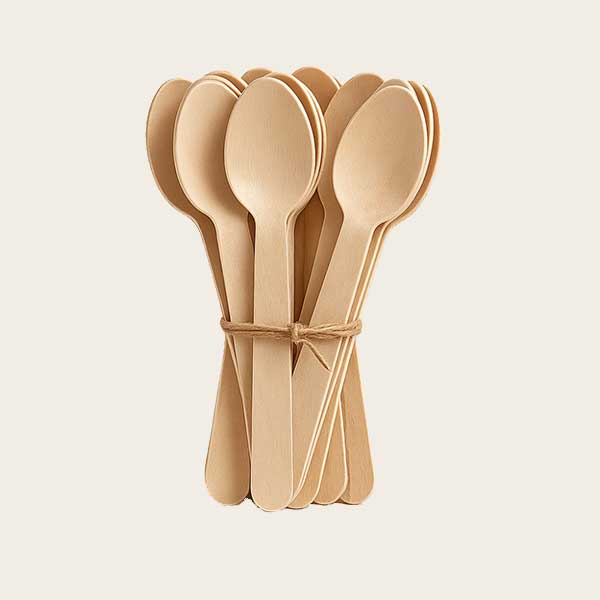
Bamboo
Organic Cotton
Glass
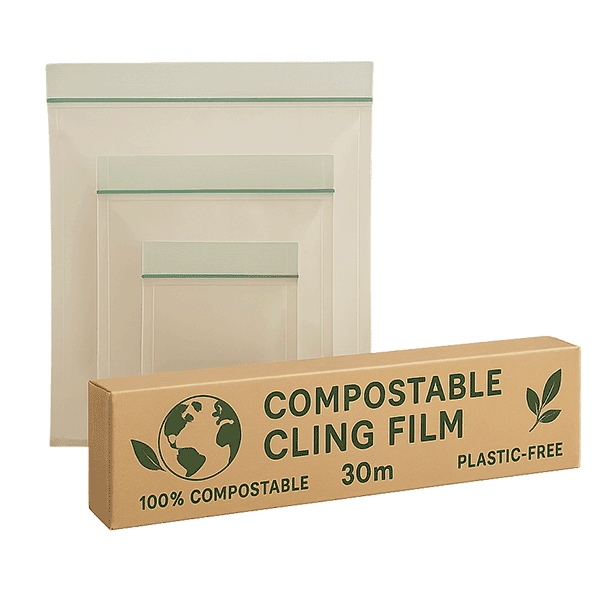
Some kitchen items use compostable bioplastic blends because food contamination makes recycling unreliable. Use these products within their care limits and follow the disposal steps on the product page.
Home compost only if you run a home compost. Otherwise, use general waste. Do not place compostable plastics in kerbside recycling.
read more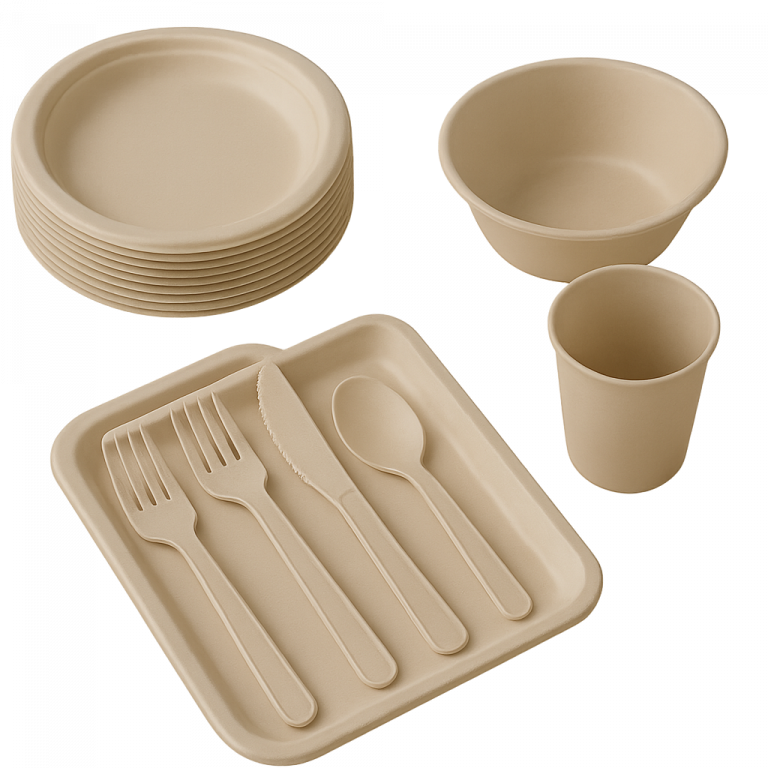
We sell items such as bagasse plates and wooden cutlery for parties, picnics, and takeaways. These products reduce plastic use where washing up is not realistic.
Compost where you have a trusted route. Otherwise, use general waste.
read more
We prioritise refill and reuse where it reduces repeat packaging. Product pages list materials and care steps so you know what you are buying.
Follow the product page. Reuse packaging where possible. Recycle glass and metal where accepted locally.
read more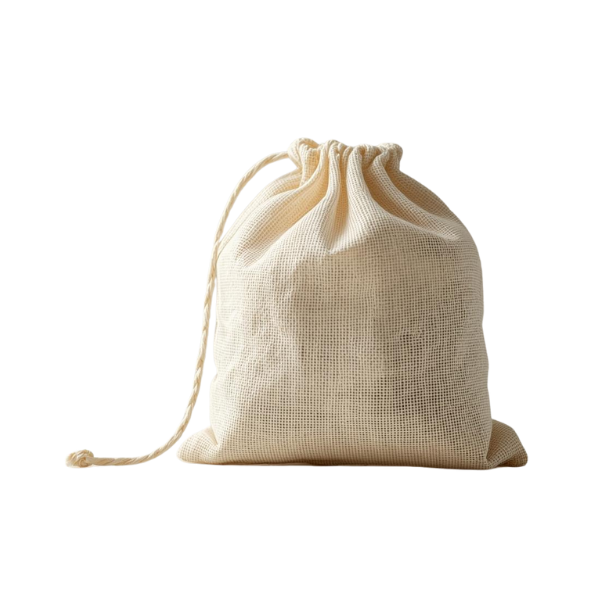
We sell reusable organic cotton items because repeated use reduces waste. Keep them in use as long as possible.
Reuse as long as possible. End-of-life guidance sits on the product page.
read more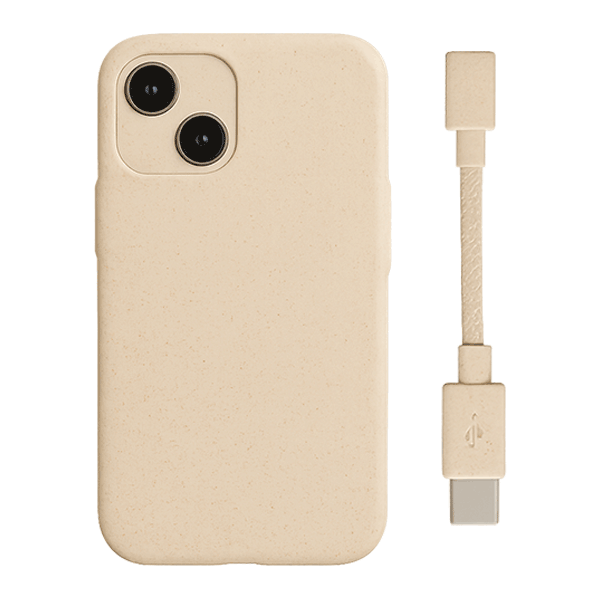
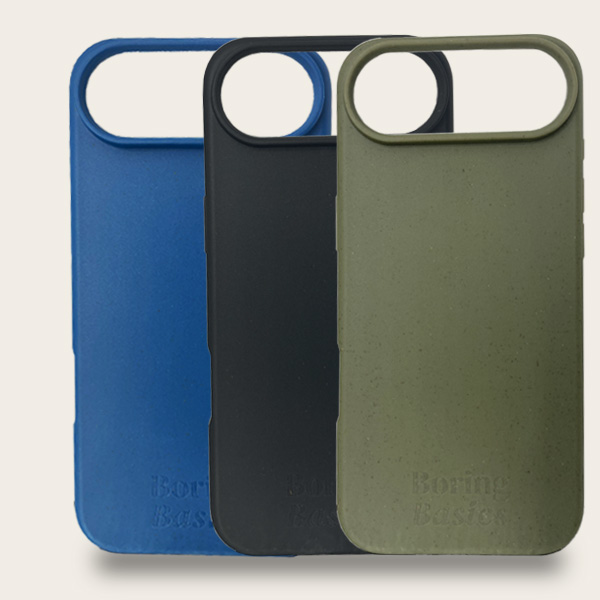
Phone cases must protect your device to reduce breakage and replacement waste. Each product page states the material mix and any testing details we can publish.
Do not put phone cases in kerbside recycling. Use our take-back scheme when offered. If no route exists, use general waste.
read moreYou will see references to standards on specific products, for example EN 13432 and ASTM D6400 on compostable kitchen items like cling film. You will also see accreditation logos on the site.

We keep packaging minimal. We reduce inserts and avoid unnecessary layers. We separate product and packaging so you can dispose of packaging cleanly.
Some products work better with take-back. You return the item, we sort it, and we route it through an approved process based on material acceptance.
Yes. Each product page lists the main material and care guidance.
No. Do not place compostable plastics in kerbside recycling.
Only if your council explicitly accepts compostable plastics in food waste.
No. Compostability depends on the product and the standard. We state this on each product page.
Use our contact page and include the product link.
Send us the product link and your question. We reply with the clearest answer we have, including evidence scope where relevant.
contact us